The Science of Revenge and Forgiveness: Using neuroscience to resolve family conflict
Douglas Ballroom
Target Audience: Everyone
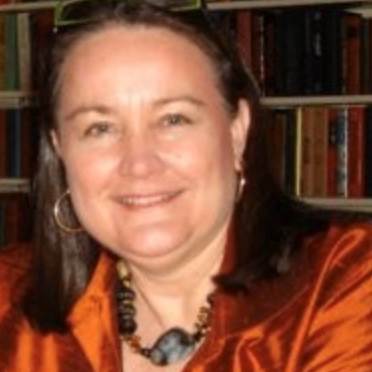
Presenter: Dana Doering, BSN, RN, MSN, ARNP
4:00 PM - 5:15 PMThu
DOUGLAS BALLROOM
Faculty
Documents
Revenge can play a powerful and often underrecognized role in family conflict. When people experience betrayal, humiliation, rejection, or loss, the desire to retaliate may reinforce destructive patterns, prolong litigation, and make resolution feel emotionally impossible. In this compelling presentation, Dana Dean Doering, ARNP, will explore emerging neuroscience on revenge, reward, and forgiveness—and what that research can teach family court professionals about the motivations driving entrenched conflict. Brain-imaging studies suggest that revenge can activate neural reward pathways in ways that resemble other reinforcing or addictive experiences, helping explain why parties may continue pursuing conflict even when doing so causes financial, emotional, and relational harm. The presentation will also examine research suggesting that internal, decisional forgiveness may interrupt these patterns and support healthier emotional and physiological functioning. Participants will learn how family law and mental health professionals can use these insights to better understand litigants’ behavior, recognize cycles of retaliation, and encourage interventions that promote emotional regulation, perspective-taking, healthier decision-making, and meaningful resolution. This session does not ask professionals to excuse harmful conduct or pressure individuals toward reconciliation; instead, it offers a neuroscience-informed framework for helping families move beyond revenge and toward safer, more constructive, and sustainable outcomes.