Testing the Limits: Drug and Alcohol Testing in Family Court
Bonneville Room
Target Audience: Everyone
Presented by: David Loughmiller MBA MT(ASCP)SC
10:45 AM - 12:00 PMFri
Bonneville Conference Room
Faculty
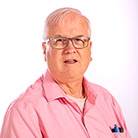 David Loughmiller MBA MT(ASCP)SC
Toxicologist
Documents
Drug and alcohol testing can play a critical role in family law cases, but only when professionals understand what the tests can—and cannot—tell us. This workshop will provide a practical overview of testing options commonly encountered in divorce, custody, parent-time, protective order, child welfare, and high-conflict co-parenting cases.
Participants will learn how different testing methods work, including urine, hair, nail, saliva, breath alcohol, EtG/PEth alcohol testing and random testing programs. The presentation will address collection procedures, chain of custody, timing, detection windows, false assumptions, common misunderstandings, and how testing results should be interpreted responsibly in family court settings.
The workshop will also explore how family law and mental health professionals can use testing information without overusing it, weaponizing it, or allowing testing disputes to become another source of family conflict. Special attention will be given to crafting workable testing provisions, responding to missed or diluted tests, understanding positive and negative results, and balancing child safety with fairness, dignity, and due process.