Bridging Mental Health and the Legal Profession: Communication, Collaboration, and Care
Bonneville Conference Room
Target Audience: Everyone
Presenters: Marina Money, PhD, Amber McFee, JD
2:30 PM - 3:45 PMThu
Bonneville Conference Room
Faculty

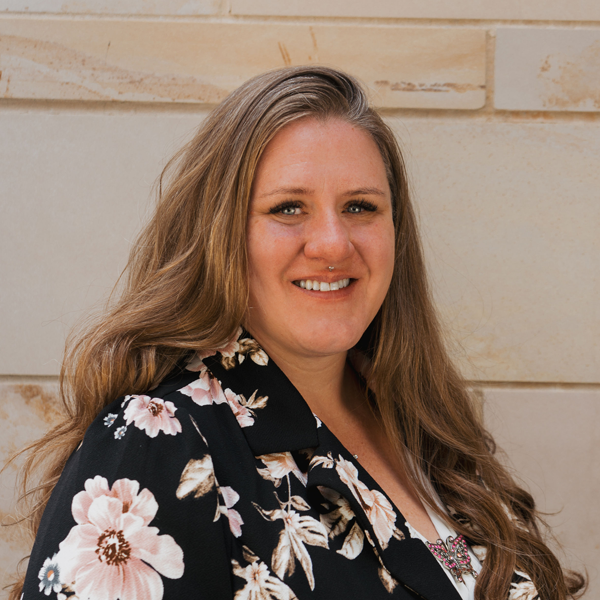
Working with children and families involved in the court system can place mental health professionals in unfamiliar—and sometimes uncomfortable—legal territory. Attorneys and other court professionals, in turn, may not always understand the ethical, confidentiality, and therapeutic boundaries that guide clinical practice. Effective collaboration requires professionals on both sides to better understand each other’s roles, responsibilities, and limitations.
This practical workshop will help mental health and legal professionals better navigate the intersection between therapy and the family court system. Presenters will explain common legal terminology and concepts encountered in court-involved treatment and discuss how therapists can establish and maintain appropriate boundaries when communicating with attorneys, parents, Guardians ad Litem, and other professionals without inadvertently stepping outside the therapeutic role or disclosing confidential information beyond what is appropriate.
The workshop will also explore strategies for communicating clearly and thoughtfully, including how to reduce the risk of misunderstandings, statements being taken out of context, or informal communications becoming problematic in litigation. Participants will learn why emails, texts, and communications between professionals should be approached with the understanding that they may ultimately be subpoenaed or presented to the court.
Presenters will address the sometimes-challenging intersection between HIPAA, therapeutic confidentiality, court reporting, and requests for information, with practical guidance for protecting the therapeutic relationship while appropriately responding to the needs of the legal process.
Finally, the workshop will examine how mental health professionals and Private Guardians ad Litem (PGALs) can work collaboratively and effectively—while understanding and respecting their distinct professional roles—to improve communication, reduce unnecessary conflict, and promote the best interests of children involved in family court cases.