50 years of struggles for system change and alternatives to industrial growth civilization. What we did, what we learnt, what we do now
Watch recorded session on Youtube (scroll forward): https://youtu.be/4hGzobrwkOo
1:00 PM - 2:45 PMTue
Room Z-salen (first floor)
Speakers
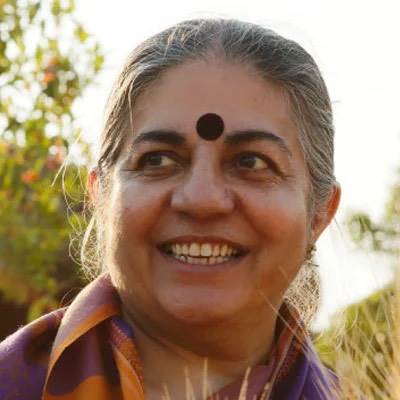 Vandana Shiva
Navdanya and Bija Vidyapeeth
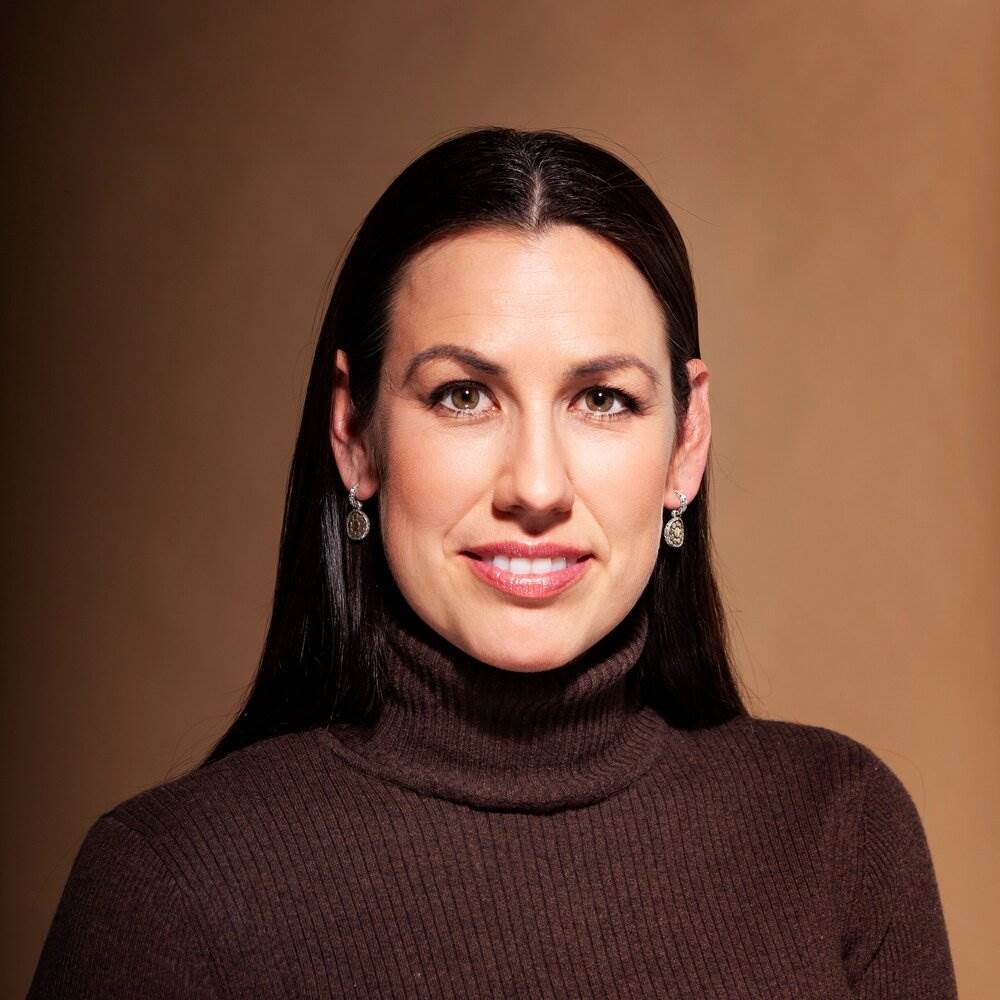
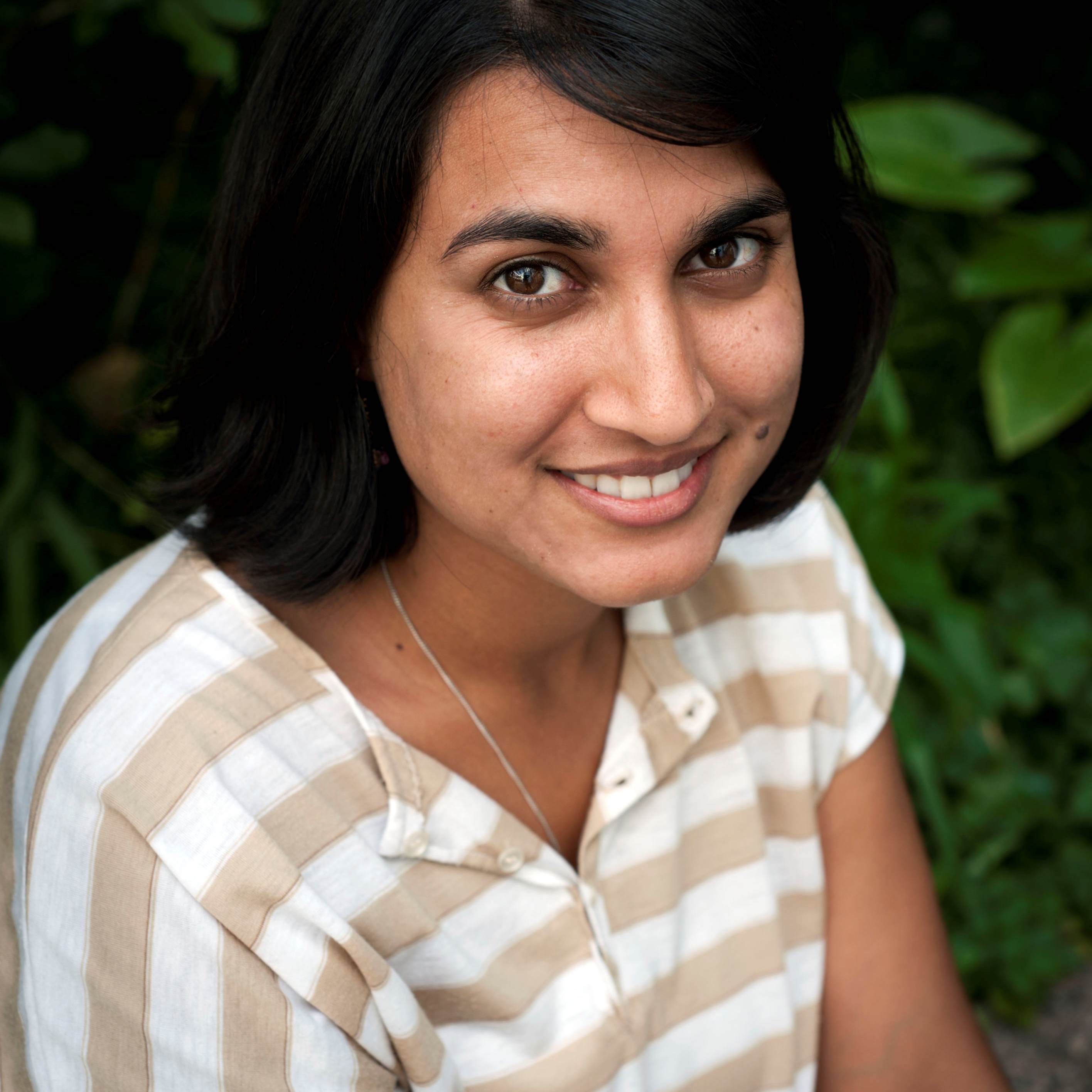
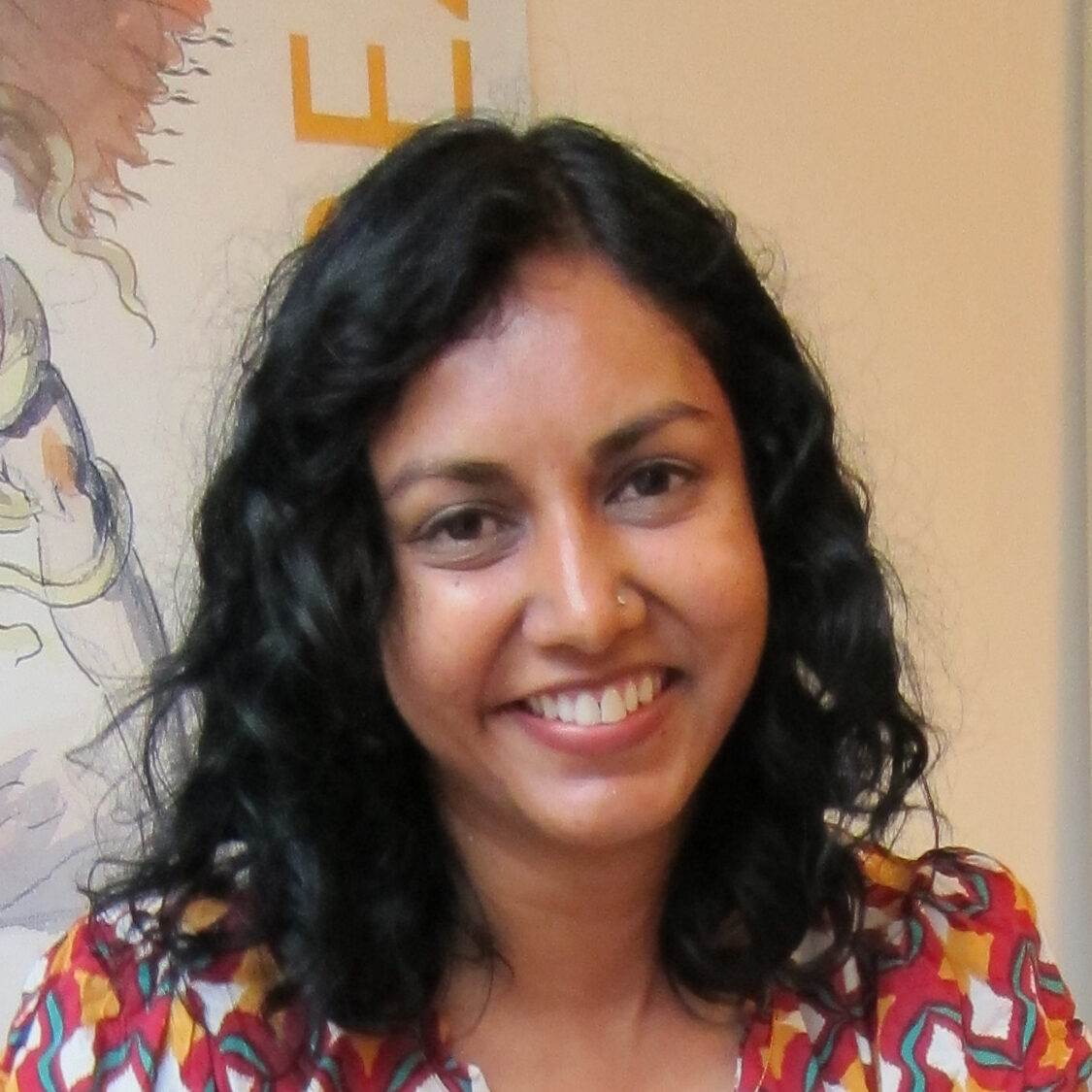 Vasna Ramasar
Global Tapestry of Alternatives and Adelante
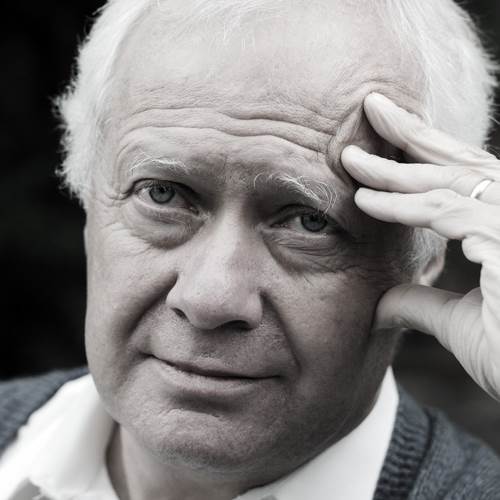 Pat Mooney
ETC Group/IPES-Food
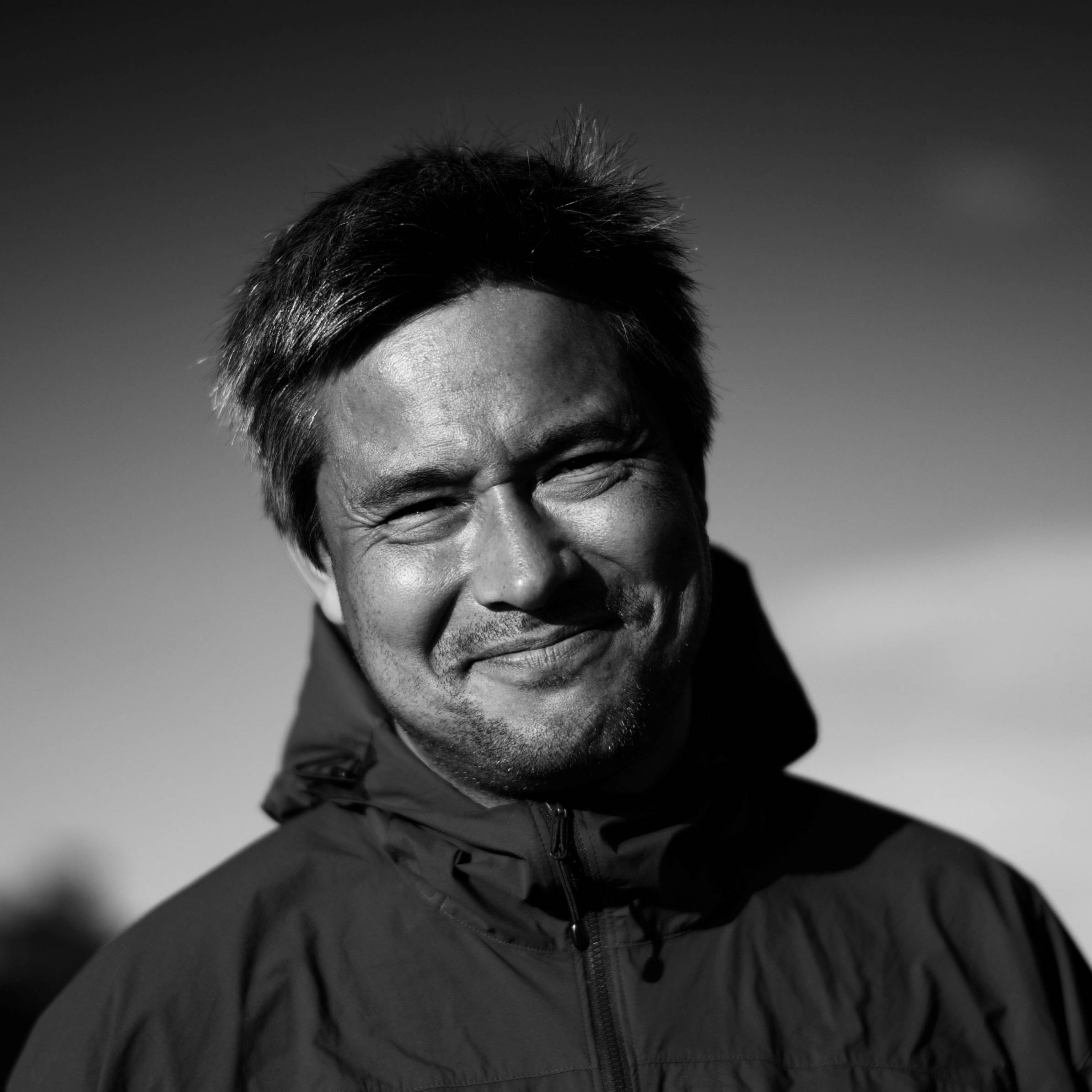 Niclas Hällström
WhatNext?
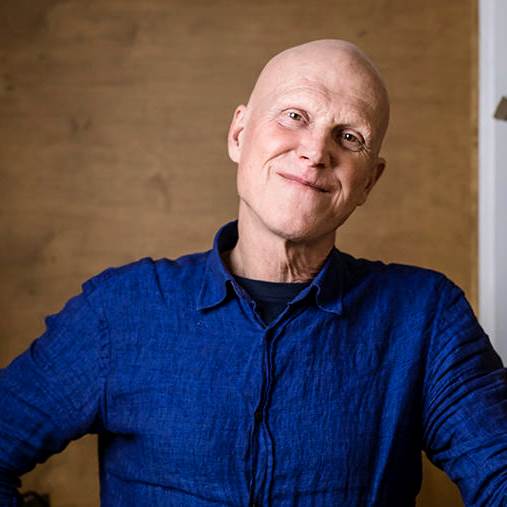 Thomas Wallgren
Philosopher, activist and politician, Finland
Organisers
 Stockholm +50 Coalition/Nätverket Stockholm +50
Join on Youtube: https://youtu.be/4hGzobrwkOo
The purpose of this discussion among key activists and thinkers in the movement for global solidarity and systems change is to discuss the need for radical changes of both the way the present world order and industrial society works and the way movements have tried to bring about change.
By now it is clear that the present way the UN and other international bodies have dealt with the combined global social and ecological crisis is largely a failure. Since negotiations started to stop global warming and protect biological diversity in 1992 more ecosystems are in peril and more greenhouse gases have been omitted that in the whole of human history before this year. Global inequality remains appalling. Promises given time upon time by the wealthy countries to compensate less affluent countries and enable them to embark on meaningful development have been postponed again and again, and were far from enough in the first place. Instead technical and market based prescriptions have been presented as universal models for “progress” and “development”. And to a considerable extent these mindsets have been taken up by both elites and people in general across societies in both the global North and global South.
Underlying these failures is a mainstream model of development that is fundamentally flawed, and built on a very particular Western historical experience. Participants in this panel have all been at the forefront of formulating critiques of ‘maldevelopment’ and this colonisation of minds, and even more importantly, been involved in formulating other ways to define well-being, prosperity and our relations with the non-human world.
The session will discuss these fundamental, underlying roots to our intertwined crises, and also reflect on five decades of different tactics and strategies to promote alternatives.
Which of these ways have brought us towards radical, transformative change and with the experience of 50 years of struggle, what can now be a useful way forward when movements together work for changing the system and industrial society?
Speakers:
Vandana Shiva, Ecofeminist, India via videolink
Alexis Bunten, Aleut/Yup’ik people, researcher, writer, media-maker, Alaska, USA
Pat Mooney, ETC group, Canada
Ilham Rawoot, Justicia Ambiental, Mozambique
Fadhel Kahboub, Global Institute for Sustainable Prosperity, Denison University, USA/Tunisia
Thomas Wallgren, philosopher, activist and politician, Finland
Facilitation: Niclas Hellström, What Next, Sweden and Vasna Ramasar, Global Tapestry of Alternatives and Adelante, South Africa/Sweden