What is needed to safeguard the Right to a Healthy Environment in the context of harmful business activities?
10:00 AM - 10:45 AMWed
Room Katasalen (first floor)
Speakers

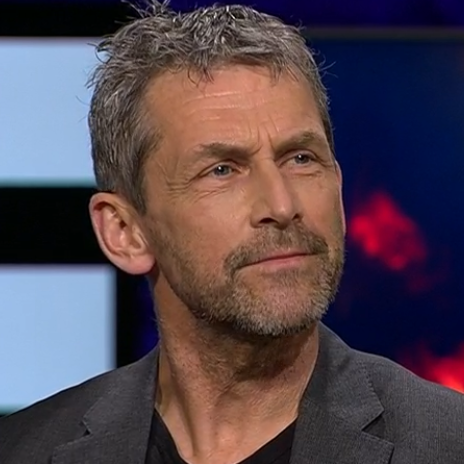 Jonas Ebbesson
Professor, Stockholm University, one of the lawyers representing Arica Victims against Boliden Mineral
Stockholm University
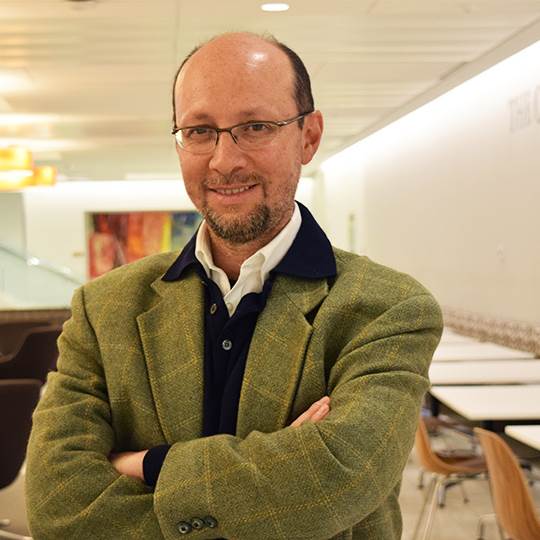 Marcos Orellana
UN Special Rapporteur on toxics and human rights
Organisers
 Mamitas del Plomo
 Arica Fundation para la Democracia Ambiental
SWEDWATCH
Swedish Society for Nature Conservation
Latinamerikagrupperna
Green Advocates
ForumCiv
Centro de Alternativas al Desarrollo (CEALDES)
Business and Human Rights Resource Centre
Arica Fundation para la Democracia Ambiental
SWEDWATCH
Swedish Society for Nature Conservation
Latinamerikagrupperna
Green Advocates
ForumCiv
Centro de Alternativas al Desarrollo (CEALDES)
Business and Human Rights Resource Centre
 Afrikagrupperna
A panel discussion drawing on lessons learnt from Chile and Liberia.
The UN Resolution 48/13 on the Human Right to a Clean, Healthy and Sustainable Environment adopted at the United Nations Human Rights Council in October 2021 recognised a right to a healthy environment as a fundamental human right. The Resolution builds on discussions since the 1972 Stockholm Declaration on the need for transformative changes to protect nature and human wellbeing. While it is still far from universal recognition of the right, it is a landmark achievement for the civil society that have long strived to protect the environment and demanded duty bearers including the states and business actors to redress disproportionate burden of environmental harm on vulnerable population.
The proposed panel brings experts and defenders to discuss what actions are further necessary to make this new right an effective tool for human rights and environmental defenders as they face escalating threats and violent attacks worldwide. Through moderated discussions with experts and defenders coupled with interactive question and answer session with the audience, the session sheds light on the state of environmental injustices where local population and ecosystems are affected by pervasive pollution and toxic hazards induced by public and private business activities.
The panel will draw on experiences of residents in Arica, Chile that were exposed to toxic industrial waste exported from Sweden in the 1980s and have endured long extended processes seeking remediation. It will also draw on experiences from pollution from the rubber industry in Liberia. The session will highlight obligations of states and business actors in the light of the right to a healthy environment, and what actions and mechanisms are necessary to avoid future environmental injustices.