Food Safety in the Age of Social Media: Bridging the Gap Between Science, Influence, and Public Trust
This roundtable will explore how academia, regulators, industry leaders, and communicators can work together to improve the credibility, accessibility, and impact of evidence-based food safety communication in the digital era.
8:45 AM - 9:30 AMFri
Grand Ballroom ABC, 1st level
Speakers
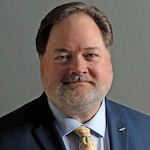 Darin Detwiler
Food Safety Expert, Author, Professor, Columnist, Podcast Host
Detwiler Consulting Group / PEP Nexus
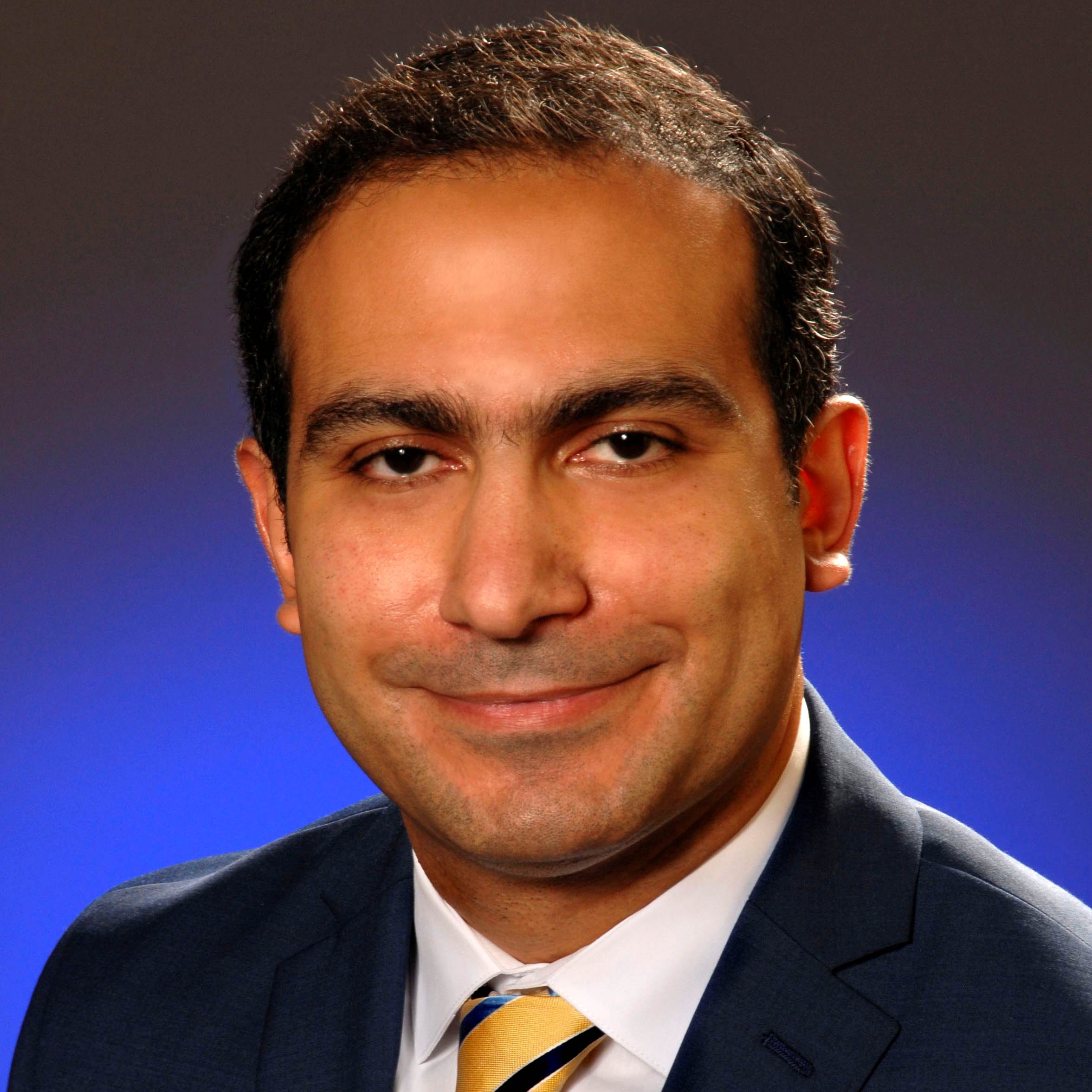
Social media platforms such as YouTube, TikTok, and Instagram have become major sources of food safety, nutrition, and health information—especially for younger audiences. However, the rise of influencers and viral content has created challenges around misinformation, oversimplification, and public confusion.
This roundtable will explore how academia, regulators, industry leaders, and communicators can work together to improve the credibility, accessibility, and impact of evidence-based food safety communication in the digital era.
How has social media changed the way consumers learn about food safety and nutrition?
What are the biggest dangers of food safety misinformation on platforms like TikTok, Instagram, and YouTube?
Why are credible scientific and regulatory voices often less visible online than influencers?
How can food safety professionals communicate scientific information in a way that is both accurate and engaging?
What role does trust play in determining whether consumers believe influencers or experts?
How should industry, academia, and regulators collaborate to improve public understanding of food safety?
What communication strategies are most effective for reaching younger generations?
Could AI and digital tools help combat misinformation and strengthen science-based communication?
What does the future of food safety communication look like in a digital-first world?