From Insight to Action: How OUSW(C) Is Evolving Performance Dashboards Through Triggers, Automation, and Feedback‑Driven, Self‑Correcting Controls
9:30 AM - 10:45 AMThu
Speakers
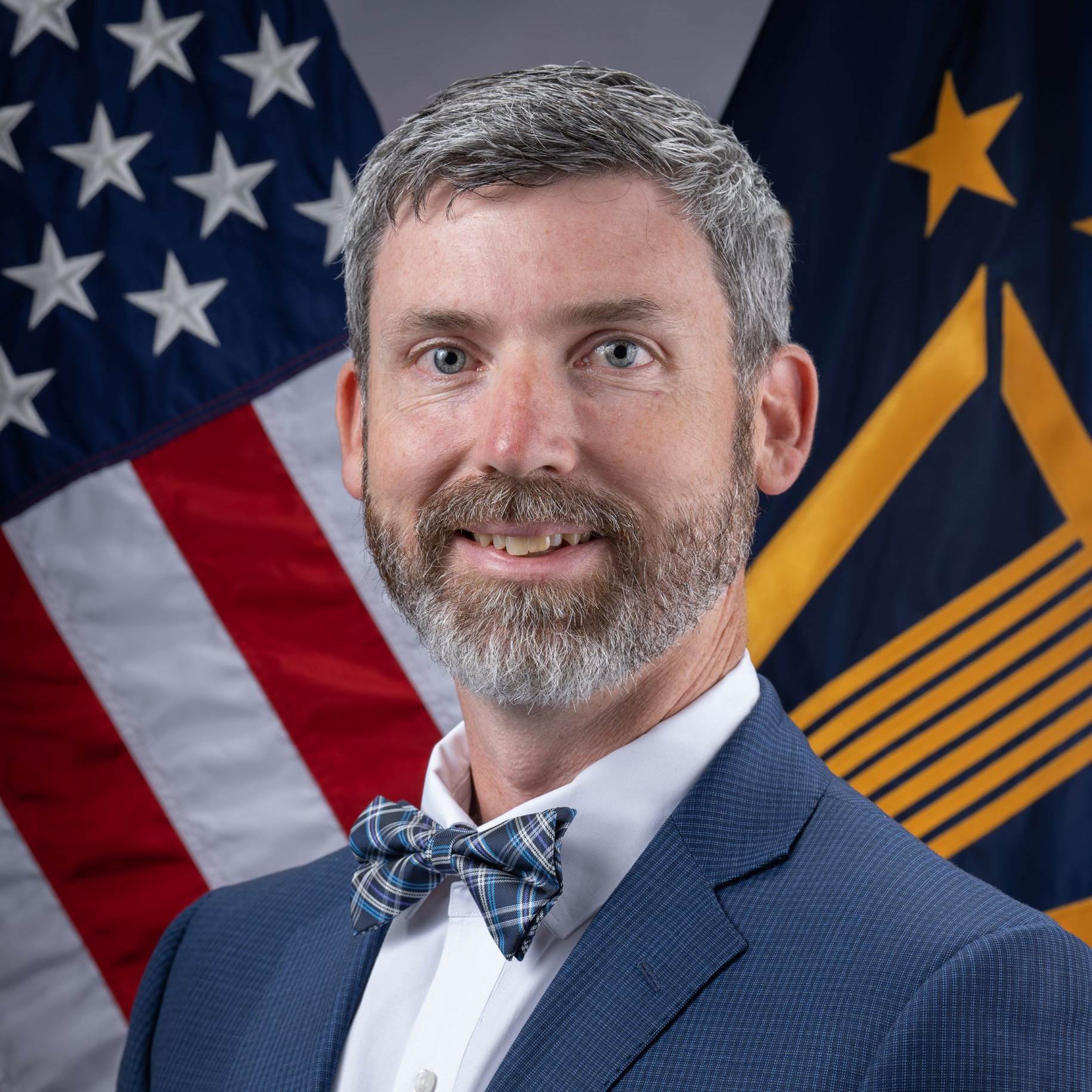

Across the Department of War, financial dashboards have significantly improved transparency into performance, compliance, and risk. However, in many cases, issues appearing on dashboards indicate that preventive controls have already failed or never existed—making dashboard‑driven action inherently reactive. OUSW(C) is evolving its operating model by transforming analytics and dashboards into action‑oriented performance management tools that not only drive remediation, but also enable learning and control improvement. This session explores how dashboards can move beyond reporting to support feedback‑driven, self‑correcting controls. Using defined triggers, dashboards determine when action is required and initiate appropriate responses ranging from simple escalation emails and tasking workflows to automation and governed agentic AI. Importantly, these actions generate feedback that helps organizations understand why issues bypassed preventive controls, identify control gaps, and reinforce controls to reduce recurrence over time. Through multiple real‑world financial management examples—including Unsupported Journal Vouchers (UJVs), unliquidated obligations, dormant accounts, and late cost transfers—attendees will see how dashboard‑to‑action workflows can support remediation, validation, and feedback checking while informing preventive control design. The session provides both an executive‑level view of this evolving operating model and practical patterns financial managers can apply today within existing governance and audit boundaries.
Learning Objectives:
By the end of this session, participants will be able to:
1. Explain how performance dashboards can evolve from reporting tools into action‑oriented instruments that support feedback‑driven, self‑correcting controls.
2. Identify triggers and action mechanisms—including escalation workflows, automation, and agentic AI—that address common DoD financial management challenges.
3. Apply feedback‑driven approaches to strengthen preventive controls and reduce repeat audit findings.