WHO SHOULD ATTEND?
This webinar is designed for a broad, interdisciplinary audience working with court-involved children and families, including:
• Mental health professionals and therapists who provide treatment to children, parents, or families involved in court proceedings and seek clear guidance on ethical boundaries, role clarity, and best practices specific to court-involved therapy.
• Family law attorneys who regularly request, review, rely upon, or challenge therapeutic services and want a stronger understanding of what constitutes appropriate—and inappropriate—court-involved treatment, how the AFCC Guidelines inform best practices, and how therapy can either reduce or unintentionally escalate conflict.
• Judges, commissioners, and judicial officers who issue orders involving therapy and benefit from guidance on structuring clear, effective orders that support ethical treatment and reduce the risk of role confusion or treatment failure.
• Guardians ad litem, private guardians ad litem, Special Masters, custody evaluators, mediators, and other family law professionals who work at the intersection of the legal and mental health systems and need a shared framework for understanding the proper role, limitations, and risks of therapy in court-involved cases.
This program is particularly valuable for professionals seeking to improve cross-disciplinary collaboration, reduce confusion and conflict around therapeutic roles, and ensure that treatment services truly serve the best interests of children and families.
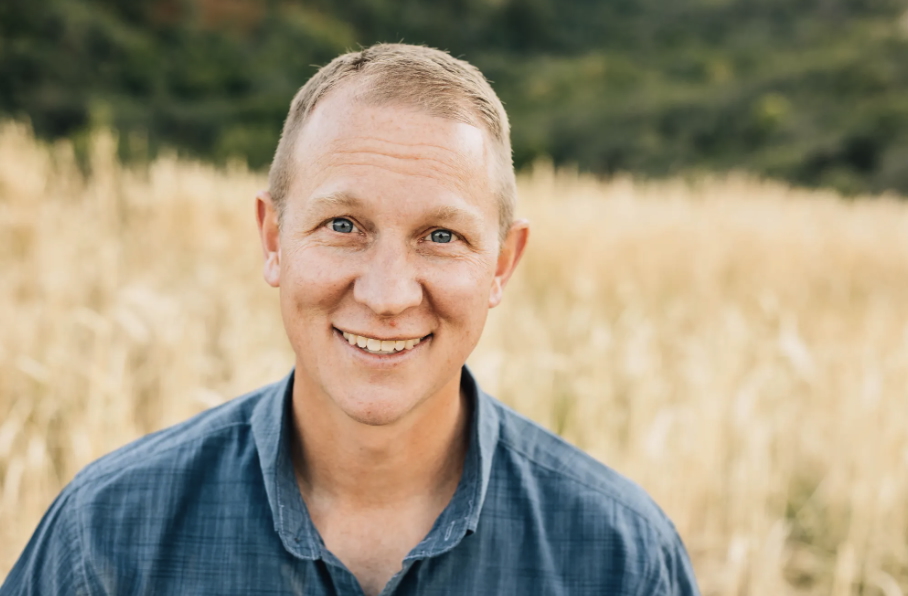
Presenter: Dr. Kyle Max Hancock, Ph.D.
Dr. Kyle Max Hancock is a licensed psychologist in the State of Utah and a forensic-informed clinical psychologist with extensive experience working at the intersection of mental health, education, and the family court system. He will serve as a member of the Board of Directors for the Utah Chapter of the Association of Family and Conciliation Courts (AFCC) in 2026, bringing his clinical expertise and court-involved experience to support the chapter’s interdisciplinary mission. Dr. Hancock earned his doctoral degree from Utah State University in 2009 in Combined Clinical, Counseling, and School Psychology, with an emphasis in Clinical Child and School Psychology. He completed his pre-doctoral internship at Primary Children’s Medical Center in Salt Lake City. Throughout his career, Dr. Hancock has trained and worked in a wide range of settings, including schools, outpatient and inpatient programs, residential treatment facilities, and hospital environments, serving children, adolescents, and adults.
Dr. Hancock routinely works with court-involved families and provides services including child custody evaluations, reunification therapy, and high-conflict co-parenting support. His clinical work is informed by a strong understanding of the legal context in which treatment occurs, and he regularly collaborates with attorneys, guardians ad litem, evaluators, and other professionals involved in family court cases.
His areas of clinical experience include working with individuals affected by depression, bipolar disorder, anxiety (including OCD and panic disorders), ADHD, autism spectrum disorders, trauma, eating disorders, and disruptive behavior concerns. Dr. Hancock works with individuals, couples, and families, and he provides comprehensive psychological and psychoeducational evaluations, with a focus on both accurate diagnosis and practical, strengths-based recommendations.
In addition, Dr. Hancock frequently collaborates with school professionals and families, attending and participating in IEP and 504 meetings and helping design effective educational supports for children.
Dr. Hancock approaches his work with the belief that every person has inherent worth and deserves to be treated with compassion, kindness, and respect. His professional goal is to provide thoughtful, ethical, and individualized support that promotes clarity, healing, and long-term stability for children and families navigating complex systems.
 Utah AFCC lunchtime webinars are always a hit! Join us at noon on January 9 for another virtual and absolutely free of charge online AFCC gathering: